Menenun Suasana dalam Botol:
Seni, Memori, dan Identitas di Balik Setetes Parfum
"Temukan seni memilih parfum yang sesuai karakter Anda melalui panduan lengkap piramida olfaktori dan psikologi aroma di sini."
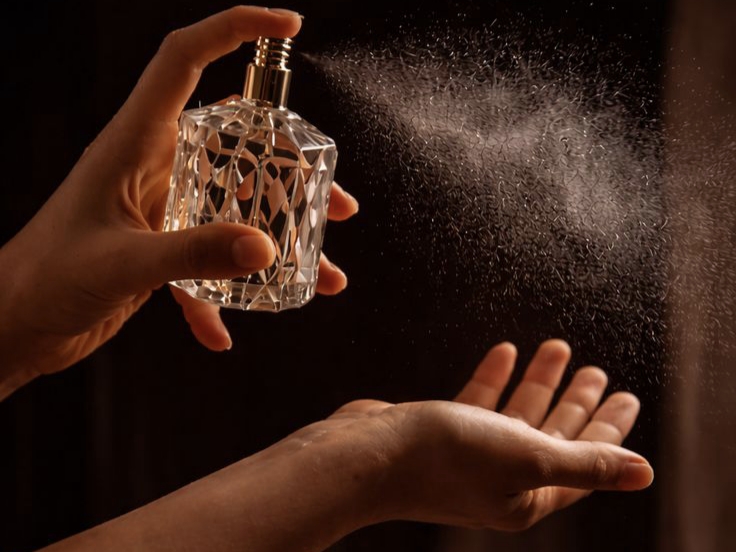
Aroma adalah salah satu keajaiban dunia yang paling abstrak namun memiliki dampak yang sangat nyata. Di antara berbagai cara manusia merayakan indra penciuman, parfum berdiri sebagai pencapaian tertinggi. Ia adalah kombinasi antara ilmu kimia yang presisi dan seni puitis yang mendalam. Saat seseorang menyemprotkan wewangian ke kulit mereka, proses yang terjadi bukan sekadar memindahkan cairan berbau harum ke tubuh. Lebih dari itu, tindakan tersebut adalah sebuah pernyataan identitas, pembukaan gerbang memori, dan penciptaan atmosfer yang mampu mengubah cara dunia memandang kita—dan bagaimana kita memandang diri sendiri.
Arkeologi Aroma: Jejak Historis Cairan Surgawi
Untuk memahami mengapa parfum begitu dihargai hari ini, kita harus melakukan perjalanan kembali ke masa lalu. Kata "parfum" sendiri berasal dari bahasa Latin, per fumum, yang berarti "melalui asap." Pada awal peradaban manusia, wewangian tidak disimpan dalam botol kaca mewah, melainkan dibakar di atas altar. Bangsa Mesir Kuno, Mesopotamia, dan Siprus menggunakan kemenyan, mur, dan damar untuk berkomunikasi dengan para dewa. Bagi mereka, aroma yang manis dan membubung ke langit adalah bahasa suci yang menghubungkan dunia fana dengan keabadian.
Seiring berjalannya waktu, fungsi wewangian bergeser dari ritual spiritual menjadi simbol status sosial dan kecantikan. Ratu Cleopatra, misalnya, dikenal menggunakan minyak esensial mawar dan kapulaga untuk menegaskan kekuasaannya dan memikat para pemimpin Romawi.
Di Timur Tengah, para ilmuwan Muslim seperti Ibnu Sina (Avicenna) merevolusi industri ini dengan menemukan proses distilasi uap. Penemuan ini memungkinkan ekstraksi minyak esensial dari bunga—terutama mawar—menjadi jauh lebih murni dan efisien. Ketika jalur perdagangan terbuka, teknik ini dibawa ke Eropa. Kota Grasse di Prancis kemudian tumbuh menjadi ibu kota parfum dunia, mengubah fungsi wewangian dari sekadar penyamar bau badan di abad pertengahan menjadi industri kemewahan yang kita kenal sekarang.
Anatomi Wewangian: Memahami Piramida Olfaktori
Sebuah parfum yang diracik dengan baik tidak pernah berbicara dengan satu suara yang monoton. Ia adalah sebuah simfoni yang berkembang seiring berjalannya waktu. Para ahli parfum (perfumer atau yang sering dijuluki "The Nose") merancang wewangian menggunakan struktur tiga tingkat yang dikenal sebagai Piramida Olfaktori. Struktur ini menentukan bagaimana aroma menguap dan berinteraksi dengan udara serta panas tubuh.
.jpeg)
Top Notes (Nada Atas)
Ini adalah aroma pertama yang menyapa hidung Anda sesaat setelah parfum disemprotkan. Biasanya karakternya ringan, tajam, dan sangat volatil (mudah menguap). Aroma sitrus seperti bergamot, lemon, atau grapefruit, serta aroma herbal seperti lavender, sering mengisi lapisan ini. Fungsinya adalah memberikan kesan pertama yang memikat, meskipun biasanya hanya bertahan selama 10 hingga 15 menit.
Heart Notes / Middle Notes (Nada Tengah)
Setelah kesegaran awal memudar, jiwa dari parfum yang sebenarnya mulai muncul. Nada tengah ini sering kali berupa aroma bunga (floral) seperti melati dan mawar, atau rempah-rempah (spice) seperti kayu manis dan kapulaga. Lapisan ini berfungsi mengikat aroma dan memberikan karakter utama pada parfum. Nada tengah biasanya bertahan antara 2 hingga 4 jam.
Base Notes (Nada Dasar)
Inilah fondasi yang menopang seluruh struktur parfum. Terdiri dari molekul-molekul besar dan berat yang menguap sangat lambat. Aroma seperti vanilla, kayu cendana (sandalwood), musk, amber, dan nilam (patchouli) mendominasi lapisan ini. Nada dasar memberikan kedalaman, kehangatan, dan menentukan seberapa lama parfum tersebut akan bertahan di kulit Anda—terkadang hingga seharian penuh atau bahkan berhari-hari di pakaian.
Psikologi Penciuman: Mengapa Aroma Mengendalikan Emosi
Pernahkah Anda tiba-tiba teringat pada rumah masa kecil, seorang mantan kekasih, atau suasana liburan bertahun-tahun lalu hanya karena menghirup aroma tertentu di jalan? Fenomena ini bukan kebetulan, melainkan hasil dari anatomi tubuh manusia yang unik.
Dari lima indra yang kita miliki, hanya indra penciuman yang memiliki jalur langsung ke sistem limbik di otak kita. Sistem limbik adalah pusat kendali emosi, suasana hati, dan memori jangka panjang, yang di dalamnya terdapat amygdala dan hippocampus. Ketika kita melihat atau mendengar sesuatu, informasi tersebut harus melewati pos transit (talamus) terlebih dahulu sebelum diproses. Namun, molekul aroma langsung melesat ke pusat emosi.
Catatan Penting: Inilah alasan mengapa parfum memiliki kekuatan psikologis yang begitu besar. Parfum tidak hanya membuat seseorang menjadi "wangi", tetapi juga mampu mengubah suasana hati secara instan, meningkatkan rasa percaya diri, mengurangi stres, atau bahkan membangkitkan rasa rindu yang mendalam. Parfum adalah mesin waktu yang paling jujur.
.jpeg)
Menemukan Identitas Lewat Rumpun Aroma (Fragrance Families)
Dunia parfum sangat luas, namun para ahli membaginya ke dalam beberapa kelompok besar atau rumpun aroma untuk memudahkan kita mengenali karakter yang sesuai dengan kepribadian kita:
- Floral (Bunga): Rumpun paling populer dan feminin. Mulai dari kelembutan melati tunggal hingga buket bunga yang kompleks. Sangat cocok untuk karakter yang romantis, anggun, dan klasik.
- Citrus (Sitrus): Penuh dengan energi, kesegaran, dan semangat. Aroma jeruk, jeruk nipis, dan bergamot memberikan kesan bersih dan aktif. Cocok untuk penggunaan sehari-hari atau setelah berolahraga.
- Woody (Kayu-kayuan): Memberikan kesan membumi, hangat, dan misterius. Menggunakan bahan seperti cedarwood, vetiver, dan sandalwood. Rumpun ini sering diasosiasikan dengan maskulinitas, namun kini sangat populer dalam parfum unisex yang modern.
- Oriental / Warm & Spicy: Kaya, eksotis, dan sensual. Campuran antara rempah-rempah hangat, vanilla, dan resin. Ini adalah pilihan tepat untuk acara malam hari atau bagi mereka yang ingin meninggalkan kesan yang berani dan tak terlupakan.
- Fresh / Aquatic: Mengingatkan pada aroma laut yang asin, udara pegunungan yang bersih, atau hujan yang baru turun. Karakter ini sangat kasual, modern, dan menenangkan.
Seni Memakai Parfum: Memaksimalkan Potensi Cairan Berharga
Membeli parfum mahal tidak akan memberikan hasil optimal jika kita tidak tahu cara menerapkannya. Mengenakan parfum adalah sebuah ritual yang membutuhkan pemahaman tentang bagaimana sains bekerja pada tubuh kita.
.jpeg)
Pertama, aplikasikan parfum pada titik-titik nadi (pulse points). Daerah-daerah seperti pergelangan tangan, leher, bagian dalam siku, dan di belakang telinga adalah area di mana pembuluh darah berada paling dekat dengan permukaan kulit. Panas yang dihasilkan oleh titik-titik ini bertindak sebagai radiator alami yang membantu menyebarkan aroma parfum secara berkala ke udara.
Kedua, jangan menggosok pergelangan tangan setelah menyemprotkan parfum. Kebiasaan ini sering kita lihat, namun secara sains, gesekan tersebut menciptakan panas berlebih yang dapat merusak molekul halus pada top notes. Akibatnya, perkembangan aroma menjadi terdistorsi dan parfum menjadi lebih cepat menguap. Cukup semprotkan, dan biarkan cairan tersebut mengering secara alami di kulit.
Ketiga, pastikan kulit dalam kondisi terhidrasi. Kulit yang kering akan menyerap minyak parfum lebih cepat, membuat aromanya lekas hilang. Menggunakan pelembap tanpa aroma (unscented lotion) sebelum menyemprotkan parfum adalah trik terbaik untuk mengunci aroma agar bertahan jauh lebih lama.
Parfum sebagai Kanvas Masa Depan: Keberlanjutan dan Individualitas
Saat ini, industri parfum sedang mengalami transformasi besar. Konsumen modern tidak lagi hanya mencari aroma yang enak, tetapi juga cerita dan nilai di balik botol tersebut. Tren menuju keberlanjutan (sustainability) mendorong rumah parfum untuk menggunakan bahan alami yang dipanen secara etis tanpa merusak lingkungan, serta beralih ke kimia hijau (green chemistry) untuk menciptakan molekul sintetis yang aman bagi ekosistem.
Selain itu, era produksi massal mulai bergeser ke arah parfum niat (niche perfumery) dan personalisasi. Orang-orang tidak lagi ingin mengendus aroma yang sama pada sepuluh orang berbeda di dalam satu ruangan kereta. Mereka mencari wewangian yang langka, eksperimental, dan mampu merepresentasikan keunikan diri mereka sendiri secara spesifik.
Jejak Tak Kasat Mata yang Abadi
Pada akhirnya, parfum adalah bentuk komunikasi paling intim yang kita miliki. Ia mendahului kedatangan kita sebelum kita berbicara, dan ia tetap tinggal di dalam ruangan memberikan kehangatan bahkan setelah kita pergi. Ia adalah pakaian tak kasat mata yang membungkus tubuh, memberikan rasa aman, kekuatan, dan keindahan.
Memilih sebuah parfum adalah proses dialog dengan diri sendiri. Di dalam setiap botol kecil yang elegan itu, terdapat perpaduan antara sejarah ribuan tahun, sains molekuler, dan perasaan terdalam manusia. Menemukan aroma yang tepat adalah seperti menemukan potongan diri kita yang hilang—sebuah tanda tangan personal yang menegaskan kepada dunia: "Inilah saya."