Menyesap Filosofi di Balik Kuah Pekat Sup Konro Khas Tanah Daeng
Fajar belum sepenuhnya pecah di Pelabuhan Paotere, namun kepulan asap tipis sudah mulai berebut tempat dengan aroma asin angin laut. Di sudut warung yang temaram, bunyi gesekan pisau jagal dan tulang sapi memecah keheningan pagi. Seorang pria paruh baya dengan cekatan menuangkan kuah berwarna cokelat kehitaman yang pekat ke atas potongan iga raksasa. Asapnya mengepul, membawa aroma jintan dan pala yang langsung menusuk hidung, mengusir sisa kantuk siapa saja yang lewat.
Geliat pasar dan pelabuhan seolah berpusat pada kuali raksasa yang terus mendidih sejak sepertiga malam. Di kota ini, makanan bukan sekadar pengisi lambung yang kosong sebelum beraktivitas, melainkan sebuah ritus pembuka hari. Deru mesin kapal nelayan yang bersiap sauh berpadu dengan dentang sendok yang beradu dengan mangkuk keramik tebal.
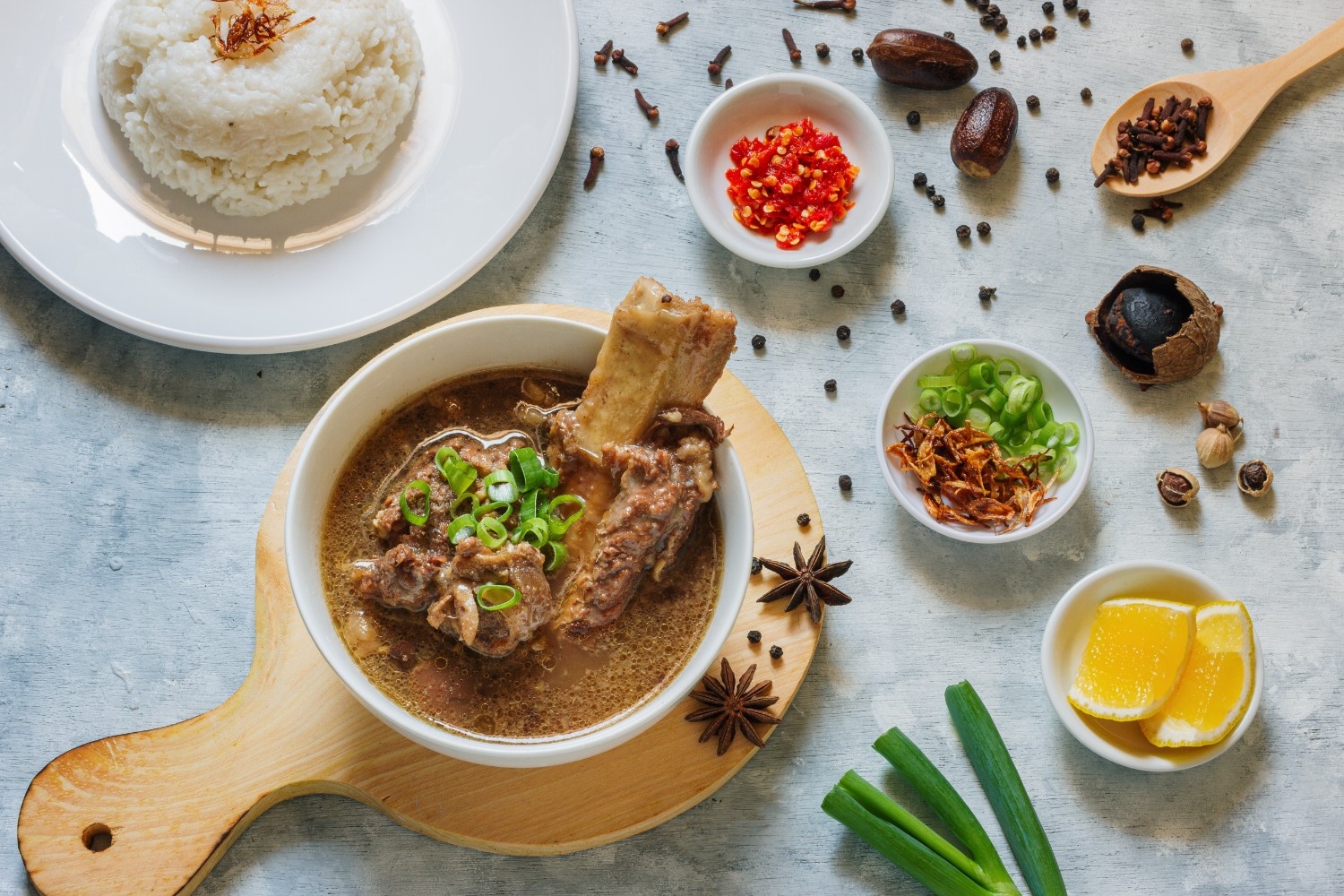
Bagi masyarakat Makassar, ritual menikmati Sup Konro adalah sebuah pengalaman intim yang tidak melibatkan sendok atau garpu. Cara terbaik untuk menyesapnya adalah dengan langsung menggunakan jemari tangan, mengangkat bongkahan tulang rusuk yang kokoh, lalu menyedotnya kuat-kuat. Di dalam rongga terdalam tulang rawan itulah tersembunyi kenikmatan magis: perpaduan lemak yang meleleh dan sumsum gurih yang telah direndam kaldu rempah berjam-jam.
Sensasi ketika sumsum hangat itu meluncur di tenggorokan adalah puncak dari ziarah rasa di Tanah Daeng. Ada kepuasan yang bersifat primal saat seseorang berhasil menelanjangi sisa-sisa daging yang menempel pada tulang besar tersebut. Tak ada ruang untuk jengah atau jaim; di hadapan semangkuk konro, semua orang melebur dalam kebersamaan yang riuh dan berpeluh.
Rempah dalam Kuah Gelap
Sup konro sekilas memiliki kemiripan visual dengan rawon khas Jawa Timur karena kuahnya yang gelap. Namun, begitu sesendok kaldu menyentuh lidah, karakter aslinya yang tebal, berani, dan kaya rempah langsung mendominasi. Kata konro sendiri dalam bahasa Makassar memiliki arti harfiah "tulang rusuk iga", sebuah penanda yang langsung merujuk pada potongan utama sajian ini.
Ketebalan kuah konro tidak mengandalkan santan, melainkan murni dari hancuran rempah dan saripati sumsum yang luruh selama proses perebusan. Karakter gurihnya bersifat berlapis—bermula dari jepitan rasa asin-gurih di ujung lidah, hingga kehangatan yang tertinggal di kerongkohan setelah ditelan. Inilah yang membuat konro selalu terasa kokoh sekaligus menenangkan.
Warna gelap yang eksotis pada kuah konro lahir dari penggunaan buah keluwak sebagai aktor utamanya. Bumbu ini kemudian dikawinkan dengan barisan rempah tradisional seperti bawang merah, bawang putih, kunyit, jahe, jintan, kayu manis, dan buah pala. Seluruh bumbu halus tersebut ditumis menggunakan margarin hingga aromanya pecah sebelum disatukan dengan air rebusan daging.
Ketepatan menakar keluwak menjadi garis tipis yang memisahkan antara mahakarya kuliner dan kegagalan. Jika terlalu sedikit, kuah akan kehilangan karakter earthy dan warna gelapnya yang ikonik; namun jika terlalu banyak, rasa pahit yang getir akan merusak seluruh simfoni rempah lainnya. Para maestro konro di Makassar mewariskan takaran magis ini secara turun-temurun melalui intuisi dan ketajaman indra penciuman.
Proses perebusan iga dilakukan dalam waktu yang sangat lama di atas api kecil. Teknik memasak lambat (slow cooking) ini bertujuan ganda. Selain memastikan tekstur daging menjadi sangat empuk hingga mudah rontok dari tulangnya, durasi yang panjang membuat seluruh saripati rempah meresap sempurna hingga ke serat terdalam. Rasa amis khas lemak hewani pun lenyap, berganti aroma wangi yang mengundang selera.
Selama berjam-jam di dalam kuali, kolagen di antara sela-sela tulang melarut dan mengental bersama kuah. Proses ini tidak hanya melunakkan daging, tetapi juga mengubah struktur air rebusan menjadi kaldu yang kaya dan bertekstur beludru. Ketika disajikan, daging konro yang sempurna tidak memerlukan pisau; cukup ditekan sedikit dengan sendok, serat-seratnya akan terurai dengan sukarela.
Dari Meja Adat hingga Penawar Demam
Di Sulawesi Selatan, sup konro menempati posisi yang cukup terhormat dalam strata sosial. Hidangan ini hampir tidak pernah absen dalam acara-acara sakral berskala besar. Anda akan selalu menemukannya tersaji di atas meja prasmanan pesta pernikahan, khitanan, hingga upacara adat yang dihadiri para tetua. Menyajikan potongan iga yang besar dan berdaging tebal adalah simbol kehormatan tertinggi dari tuan rumah kepada tamunya.
Dalam konteks hajatan, konro adalah representasi dari kemakmuran dan kemurahan hati. Tuan rumah yang menyajikan konro dengan ukuran tulang yang masif sedang mengirimkan pesan tak tertulis bahwa mereka menyambut tamunya dengan suka cita terbaik. Proses memasaknya pun kerap melibatkan tetangga sekitar secara gotong royong (korongtigi), menjadikannya perekat sosial sebelum pesta dimulai.
Selain menjadi simbol prestise, masyarakat setempat juga mempercayai sup konro sebagai kuliner kesehatan. Kandungan rempah yang menghangatkan seperti jahe, lada, dan kayu manis diyakini ampuh sebagai penawar alami untuk meredakan gejala flu, masuk angin, dan demam. Menyantap semangkuk konro hangat saat hujan mengguyur kota seketika akan mengembalikan kesegaran tubuh yang lelah.
Uap panas yang mengepul dari mangkuk konro bertindak layaknya aromaterapi alami yang membuka saluran pernapasan. Kombinasi antara zat besi dari kaldu tulang terlarut dan khasiat antiseptik dari rempah-rempah dipercaya mempercepat pemulihan fisik setelah seharian bekerja keras. Bagi para pelaut dan pekerja pelabuhan, semangkuk konro adalah bahan bakar utama untuk memulihkan stamina yang terkuras oleh kerasnya cuaca laut.
Inovasi Modern: Hadirnya Konro Bakar
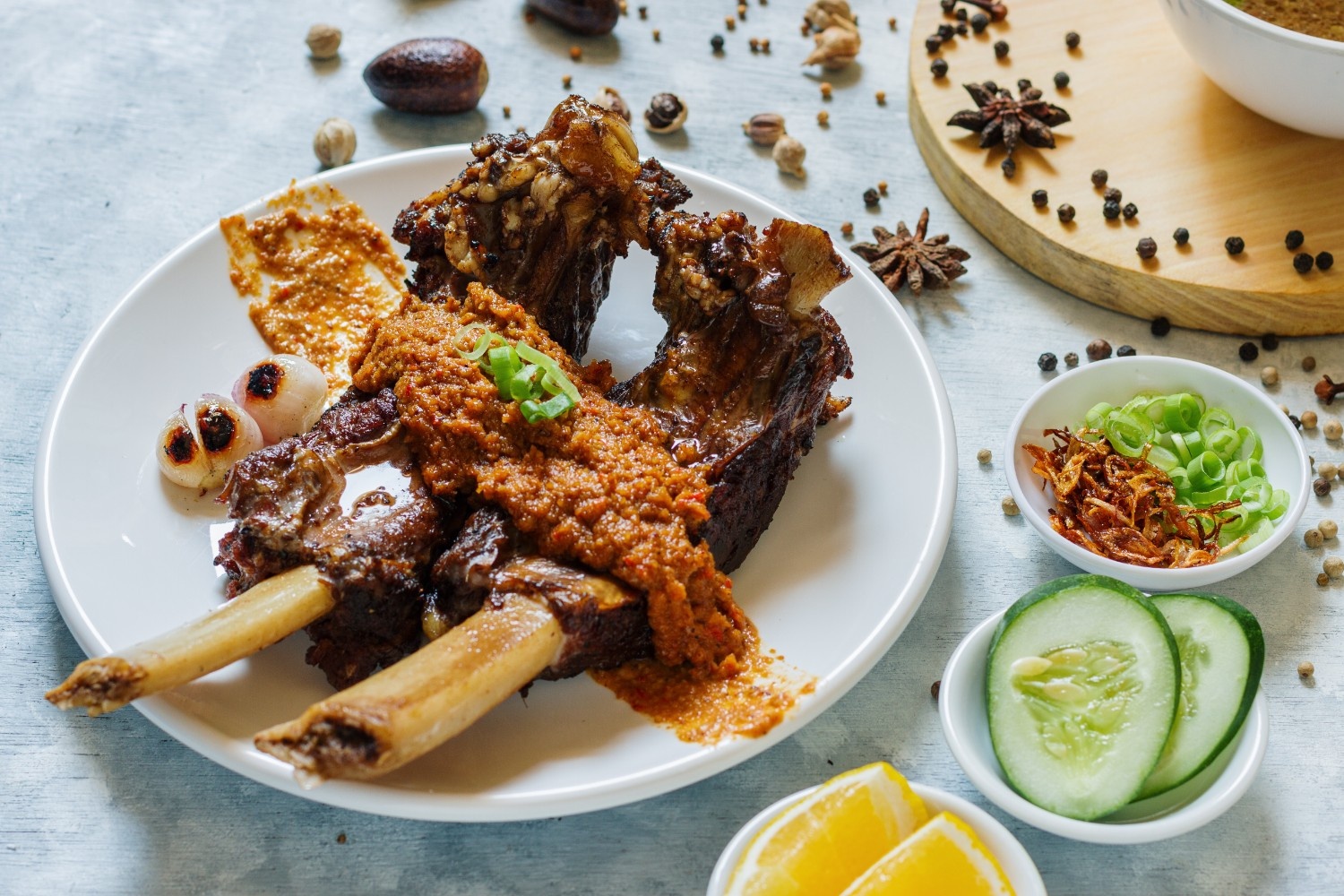
Seiring dinamisnya lanskap kuliner Makassar, sup konro melahirkan varian baru yang tidak kalah ikonik, yaitu Konro Bakar (Makassar grilled beef-ribs). Inovasi ini muncul untuk memberikan dimensi tekstur baru yang lebih modern tanpa harus kehilangan identitas rasa aslinya yang legendaris. Kehadirannya sekaligus menjawab selera generasi muda yang menggemari sensasi bakaran.
Konro bakar berhasil mendobrak pakem bahwa iga berkuah tidak bisa dinikmati dengan cara kering. Sentuhan modernitas ini justru menaikkan kelas konro ke ranah restoran kasual, bersanding dengan menu-menu steik Barat namun dengan kearifan rasa lokal yang jauh lebih berani.
Proses pembuatan konro bakar menuntut ketelatenan ekstra dari sang juru masak. Iga sapi harus direbus terlebih dahulu di dalam kuah rempah konro hingga empuk merata. Setelah bumbu meresap, tulang-tulang iga berukuran masif tersebut diangkat, lalu dipindahkan ke atas bara api arang yang menyala.
Tahap pemindahan ini sangat krusial; daging tidak boleh terlalu lama direbus hingga hancur agar tidak rontok saat dijepit di atas panggangan. Sang juru masak harus membaca kesiapan daging dengan sentuhan jemari. Keahlian mengendalikan api arang juga diuji di sini agar bagian luar daging tidak hangus sebelum aroma bakaran yang diinginkan keluar.
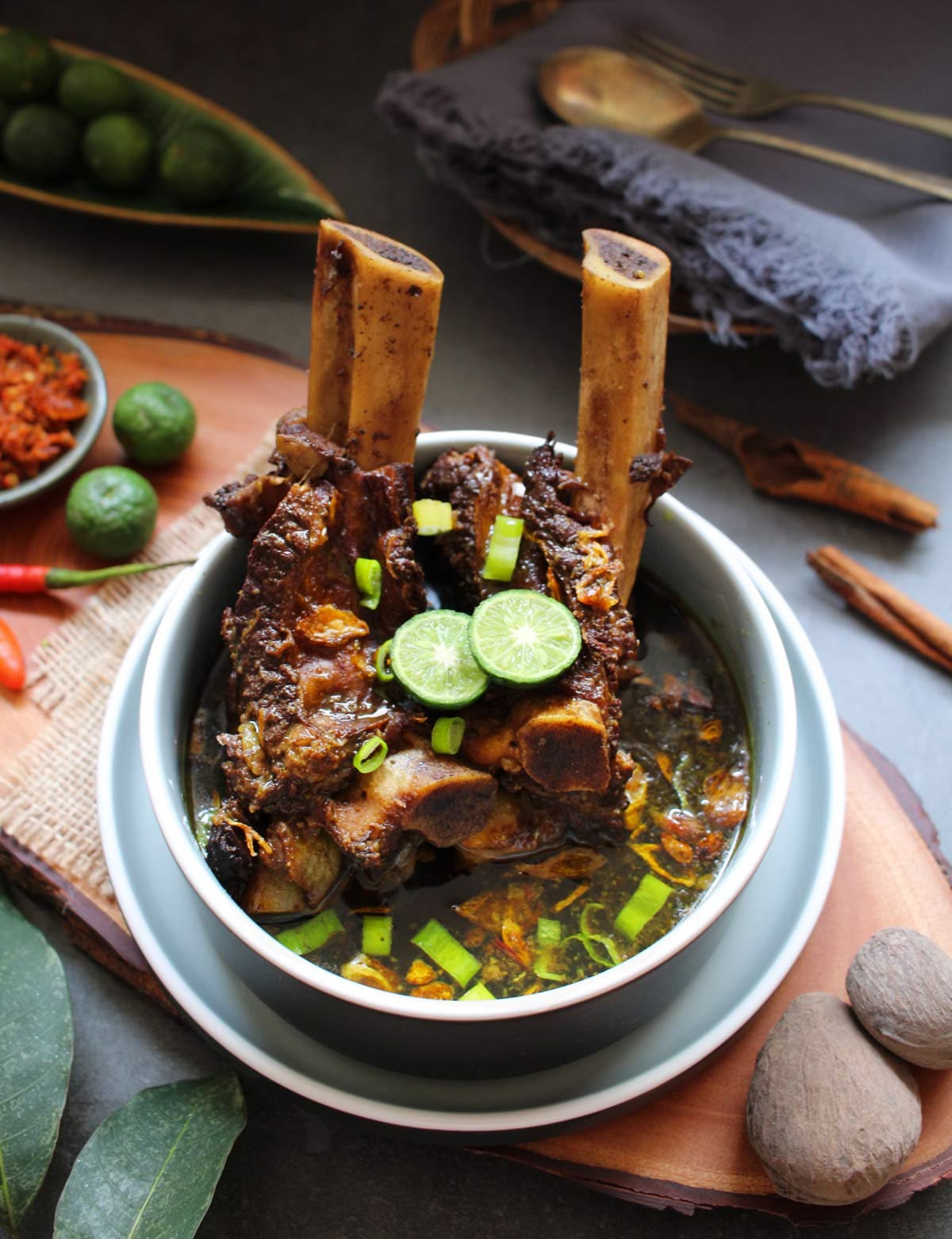
Sebelum dibakar, daging iga dilumuri dengan saus kacang kental yang gurih. Proses pembakaran di atas arang ini menghasilkan efek karamelisasi yang eksotis. Hasil akhirnya adalah daging dengan bagian luar yang renyah (smoky) dan bagian dalam yang tetap juicy serta lembut. Saat disajikan, konro bakar dihidangkan terpisah dengan semangkuk kecil kuah sup hitamnya yang pekat.
Saus kacang yang terpanggang menciptakan kerak gurih berwarna cokelat keemasan di permukaan daging. Ketika digigit, ada sensasi renyah yang disusul oleh kelembutan bagian dalam daging yang masih menyimpan kelembapan kaldu rebusan. Kehadiran kuah hitam secara terpisah memberikan kebebasan bagi penikmatnya: ingin mencocol daging bakar langsung ke kuah, atau menikmatinya secara bergantian demi kontras tekstur yang maksimal.
Jejak Sejarah: Peralihan dari Kerbau ke Sapi
Ada catatan sejarah yang menarik di balik pemilihan bahan baku utama kuliner Makassar. Sebelum tahun 1990-an, sup konro, coto, maupun pallubasa sebenarnya lebih banyak menggunakan daging kerbau (tedong). Dalam kultur masyarakat Sulawesi Selatan, kerbau adalah hewan sakral yang memegang peranan penting dalam berbagai ritual adat, terutama dalam upacara kematian di Toraja maupun pesta adat Bugis-Makassar.
Daging kerbau disukai karena memberikan rasa kaldu yang jauh lebih pekat dan gurih alami yang berbeda dari sapi. Seratnya yang lebih tebal membuat daging kerbau mampu bertahan dalam proses perebusan berhari-hari tanpa kehilangan bentuknya. Bagi generasi tua Makassar, aroma kaldu kerbau asli memiliki tempat tersendiri yang sulit digantikan oleh hewan ternak lain.
Namun, tingginya intensitas upacara adat membuat populasi kerbau lokal kian menyusut dari tahun ke tahun. Kelangkaan ini otomatis memicu lonjakan harga daging kerbau di pasar-pasar tradisional secara signifikan. Kondisi ekonomi tersebut memaksa para pedagang makanan di Makassar untuk memutar otak agar bisnis mereka tetap bertahan tanpa harus menaikkan harga jual terlalu tinggi.
Kerbau yang semakin mahal akhirnya bergeser menjadi komoditas eksklusif yang hanya bisa diakses untuk keperluan ritual. Jika para pedagang tetap memaksakan menggunakan daging kerbau, sepiring konro akan menjelma menjadi makanan mewah yang tak lagi terjangkau oleh masyarakat kelas pekerja. Diversifikasi bahan baku menjadi satu-satunya jalan keluar yang logis pada masa itu.
Sebagai solusinya, para pedagang mulai beralih menggunakan daging sapi yang populasinya lebih melimpah dan harganya lebih terjangkau. Pergeseran bahan baku ini ternyata disambut baik oleh masyarakat. Karakter serat daging sapi yang lebih halus justru memberikan tekstur lembut baru yang kini menjadi standar kelezatan Sup Konro modern.
Adaptasi ini berjalan mulus karena para juru masak berhasil menyesuaikan waktu perebusan dan komposisi rempah agar rasa sapi tetap bisa menandingi kepekatan kerbau. Peralihan sejarah ini membuktikan bahwa kuliner Makassar sangat adaptif terhadap perubahan zaman, mampu berkompromi dengan realitas ekonomi tanpa sedikit pun mengorbankan kehormatan rasa yang diwariskan leluhur.
Warisan Kuliner yang Tak Lekang oleh Waktu
Tantangan terbesar dalam meracik sup konro terletak pada keseimbangan rasa kuahnya. Juru masak harus jeli menakar keluwak agar kuah tidak berubah menjadi pahit, serta sabar menunggu daging benar-benar empuk. Kompleksitas inilah yang membuat semangkuk konro terasa begitu berharga saat dihidangkan di atas meja makan.
Setiap warung konro legendaris di Makassar biasanya memiliki rahasia dapur kecil yang dijaga rapat—entah itu jenis kayu manis tertentu, atau urutan memasukkan bumbu yang tidak boleh dilanggar. Dedikasi terhadap detail kecil inilah yang menjaga konsistensi rasa melintasi beberapa dekade, membuat para pelanggan setia tetap kembali ke meja yang sama.
Bagi siapapun yang berkunjung ke Makassar, menyempatkan diri duduk di warung konro lokal adalah sebuah keharusan yang tak boleh ditawar. Di tengah riuh rendah logat lokal yang tegas dan kepulan asap pembakaran iga, Anda tidak hanya sedang menikmati makanan. Anda sedang meresapi sepotong sejarah, merayakan daya hidup, dan menghormati tradisi Tanah Daeng yang terus dirawat agar tak lekang oleh waktu.
Duduk di sana, dikelilingi oleh piring-piring kosong dan tumpukan tulang iga yang telah bersih berserabut, kita akan memahami satu hal. Sup Konro bukan sekadar tentang resep masakan lama yang bertahan; ia adalah detak jantung kota Makassar yang dituangkan ke dalam mangkuk, hangat, tebal, dan selalu dirindukan untuk kembali disesap.