Riwayat Tradisi dan Presisi Rasa dalam Semangkuk Soto Mi Bogor
Aroma gurih yang pekat menguar dari sebuah kedai kecil beratap seng di sudut Jalan Jenderal Sudirman, Bogor. Di atas meja kayu yang mulai kusam dan menipis oleh waktu, asap tipis membubung dari selembar mangkuk keramik putih berhias gambar ayam jago. Di dalamnya, kuah kuning keemasan yang jernih menggenang, mengepung jalinan mi kuning, potongan daging, dan hamparan daun bawang segar. Ini bukan sekadar makanan pengisi perut di kala sore yang basah; ini adalah soto mi Bogor, sebuah kuliner yang merangkum sejarah, akulturasi, dan ketekunan dalam semangkuk hidangan.
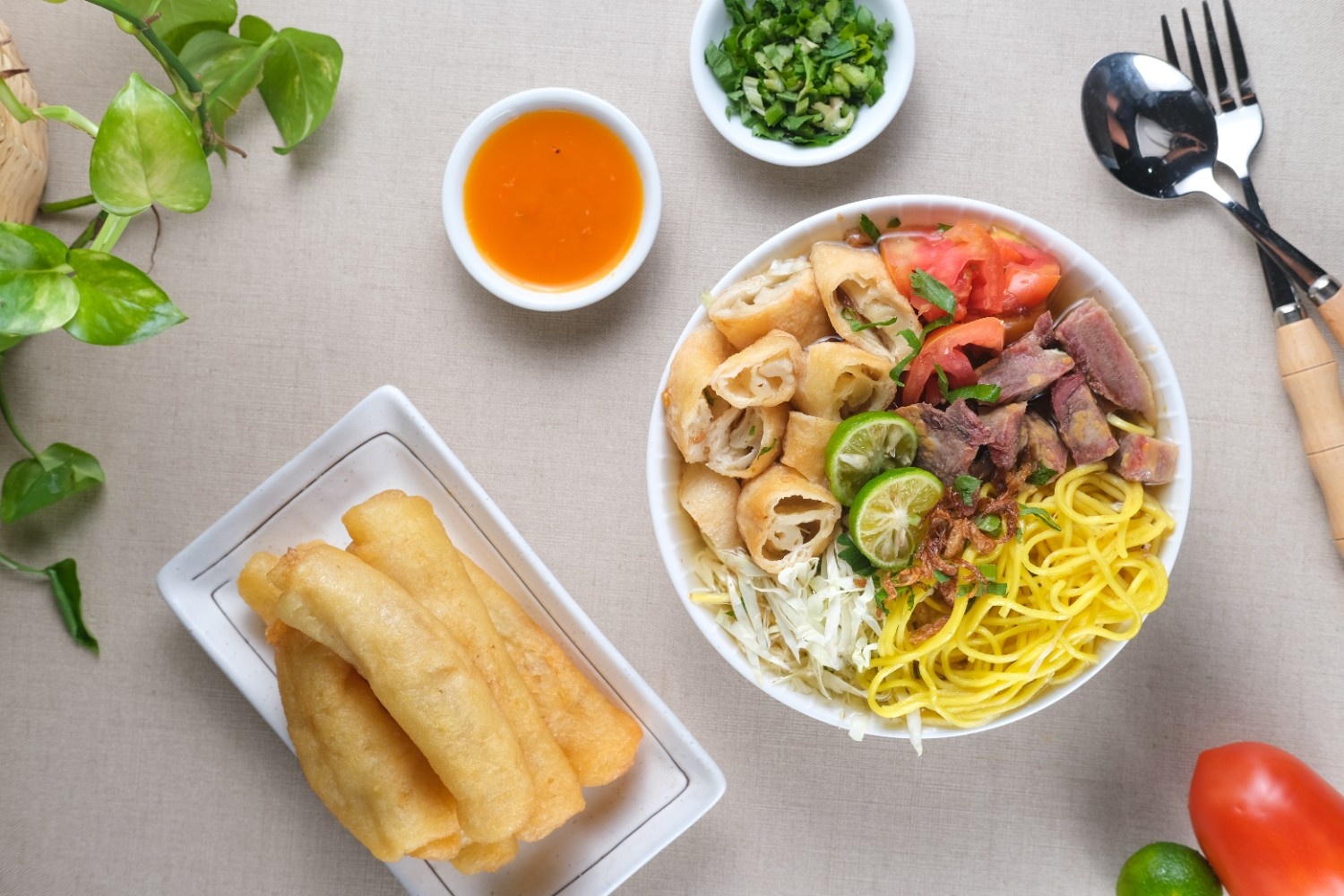
Bagi masyarakat Bogor, kuliner ini lebih karib disebut dengan simplifikasi yang tegas: "soto mi". Tambahan kata geografis "Bogor" biasanya baru melekat ketika hidangan ini berkelana ke luar wilayah administrasi kota hujan. Hidangan ini memiliki karakter yang distingtif, membedakannya secara visual dan rasa dari varian soto lain di Nusantara, seperti soto madura yang pekat dengan kemiri, soto kudus yang pekat dengan jintan, atau soto lamongan yang kaya akan taburan koya yang gurih. Soto mi Bogor berdiri di atas fondasi kuah kaldu sapi yang jernih namun kaya rempah, berpadu dengan pengaruh kuliner Tionghoa yang kuat melalui kehadiran mi kuning basah.
Anatomi Semangkuk Soto Mi
Keindahan soto mi Bogor terletak pada presisi komposisinya. Setiap elemen di dalam mangkuk memiliki peran spesifik, saling menggenapi tanpa ada satu pun bahan yang saling mendominasi rasa bahan lainnya.
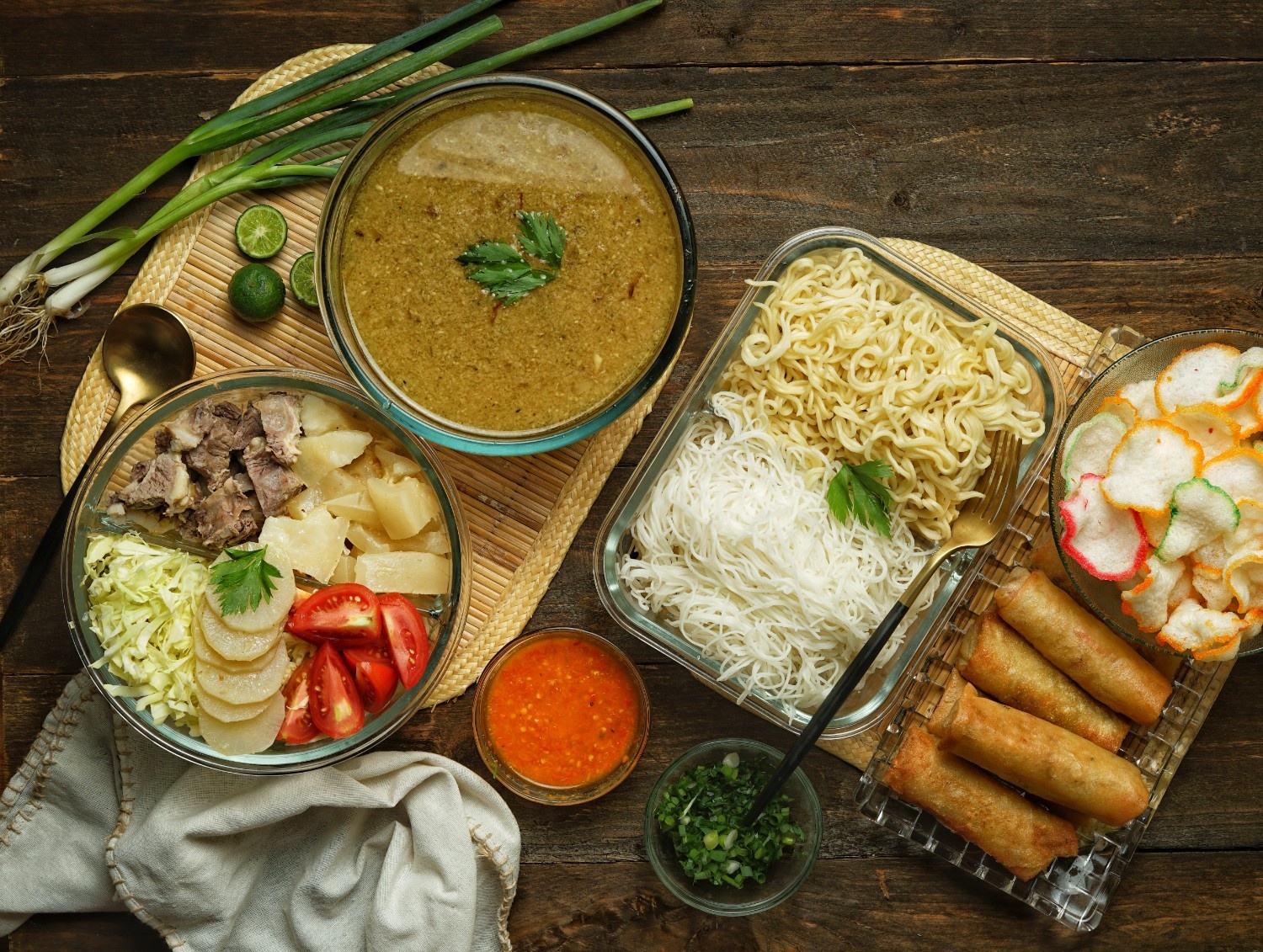
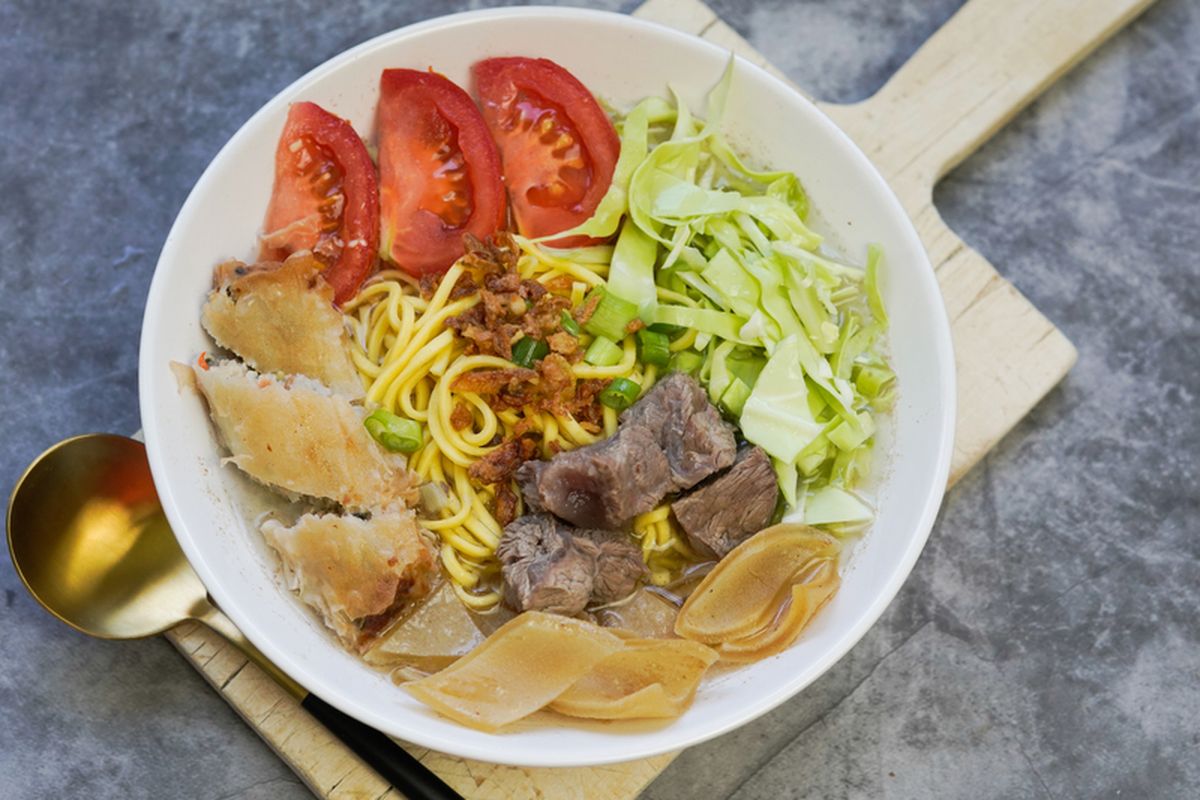
Mi Kuning dan Bihun: Fondasi utama karbohidratnya adalah mi kuning basah yang kenyal dan bihun tipis yang terbuat dari tepung beras. Mi kuning memberikan tekstur yang padat saat dikunyah, sementara bihun yang tipis bertugas menyerap kuah kaldu dengan sempurna hingga ke sela-selanya.
Isian Daging dan Jeroan: Potongan daging sapi yang empuk menjadi bintang utama. Bagian yang sering digunakan adalah sandung lamur yang memiliki sedikit lapisan lemak. Sering kali, penjual juga menyertakan kikil (tulang muda kaki sapi) yang kenyal atau babat yang bertekstur. Daging ini direbus dalam waktu lama bersama bumbu dasar hingga seratnya melunak namun tetap mempertahankan sari dagingnya.
Risol Kampung: Ini adalah pembeda paling ikonis yang tidak ditemukan pada jenis soto lainnya. Risol berkulit renyah dengan isian bihun goreng tawar dipotong-potong langsung di atas mangkuk menggunakan gunting tradisional berukuran besar. Ketika terendam kuah, kulit risol yang garing perlahan melunak, menciptakan kontras tekstur yang unik antara bagian yang basah dan yang masih menyisakan kerenyahan.
- Sayuran Segar: Irisan kol mentah memberikan sensasi renyah yang segar saat digigit, sementara potongan tomat merah menghadirkan sedikit rasa asam alami yang bertugas memecah kepekatan lemak dari kaldu sapi.
Semua komponen tersebut disusun dengan rapi sebelum akhirnya disiram dengan kaldu sapi yang mendidih. Sebagai sentuhan akhir, penjual akan menaburkan daun bawang, seledri cincang, dan bawang merah goreng. Di samping mangkuk, selalu tersedia pelengkap wajib: jeruk limau yang berukuran kecil namun harum, kecap manis kental, dan sambal cabai rawit merah yang cair.
Kuah Kuning dan Rahasia Rempah
Jantung dari soto mi Bogor terletak sepenuhnya pada kuahnya. Berbeda dengan soto betawi yang menggunakan santan atau susu untuk mendapatkan tekstur kental, soto mi Bogor menggunakan teknik kaldu bening yang menyegarkan. Warna kuning kemerahan yang khas berasal dari perpaduan bumbu halus yang terdiri dari kunyit tua, kemiri sangrai, bawang merah, bawang putih, dan sedikit cabai merah raksasa yang dibuang bijinya. Bumbu ini ditumis hingga matang dan minyaknya keluar sebelum dimasukkan ke dalam air rebusan daging.
Proses pembuatan kaldu dimulai sejak dini hari. Penjual merebus tulang kaki sapi yang kaya akan sumsum dan potongan daging dalam volume air yang besar. Buih-buih lemak berlebih dan kotoran yang mengapung di permukaan air dibuang secara berkala menggunakan sendok saring. Proses yang disebut skimming ini penting untuk memastikan kuah tetap jernih dan tidak meninggalkan rasa tebal atau enek di tenggorokan setelah dikonsumsi.
Rempah daun seperti serai yang dimemarkan, daun salam, dan daun jeruk purut dimasukkan pada pertengahan proses merebus. Kehadiran rempah daun ini bertujuan untuk mengusir aroma anyir dari lemak sapi sekaligus memberikan dimensi aroma segar yang menenangkan. Saat kuah mendidih di atas tungku, konsistensi suhunya harus dijaga agar tetap berada di titik didih tertinggi. Suhu panas ini adalah kunci utama untuk melembutkan tekstur mi kuning dan melayukan kol secara instan saat kuah disiramkan ke dalam mangkuk racikan.
Akulturasi di Atas Meja Makan
Membahas se porsi soto mi Bogor tidak dapat dilepaskan dari narasi migrasi manusia dan adaptasi budaya di masa lalu. Mi, yang menjadi salah satu komponen utama hidangan ini, adalah kontribusi nyata dari kebudayaan Tionghoa. Ribuan tahun lalu, teknik pembuatan mi dibawa oleh para imigran Tiongkok ke Nusantara, termasuk ke wilayah Bogor yang dahulu menjadi pusat perdagangan penting di pedalaman Jawa Barat, terutama karena posisinya sebagai wilayah pedalaman Kerajaan Pajajaran dan kemudian berkembang di era kolonial.
Masyarakat lokal Sunda kemudian mengadopsi bahan mi tersebut dan memadukannya dengan selera lidah setempat yang menggemari kuah berbasis kaldu sapi segar serta rempah-rempah tropis. Kehadiran risol, yang akarnya bisa ditarik dari camilan pengaruh Eropa (rissole dari Belanda), semakin menegaskan bahwa semangkuk soto mi adalah sebuah produk sejarah yang inklusif. Di dalam lingkar mangkuk tersebut, batas-batas geografis dan asal-usul budaya yang awalnya berjauhan melebur menjadi satu harmoni rasa yang disepakati bersama oleh lintas generasi hingga hari ini.
Ritual Menikmati Sajian di Kala Hujan
Menikmati soto mi Bogor adalah sebuah pengalaman yang melibatkan seluruh indra manusia. Prosesi dimulai bahkan sebelum sendok pertama menyentuh bibir pembeli. Bunyi "klik-klik" dari gunting logam penjual yang memotong risol menjadi melodi pembuka yang khas di setiap kedai. Diikuti oleh kepulan asap pekat yang membawa minyak atsiri dari rempah-rempah ke rongga hidung saat kuah disiramkan dari kuali tembaga besar.
Bagi pencinta kuliner lokal, mangkuk yang baru dihidangkan jarang langsung disantap begitu saja tanpa modifikasi. Ada ritual personal yang selalu dilakukan secara runut. Pertama adalah memeras jeruk limau. Setitik dua titik sarinya menjatuhkan kesegaran asam yang memecah dominasi minyak kaldu. Kedua, menambahkan sambal rawit merah sesuai tingkat toleransi lidah terhadap rasa pedas. Terakhir, mengalirkan kecap manis secara melingkar untuk mengikat seluruh rasa.
Saat sendok pertama disuapkan, kuah yang hangat langsung membasahi rongga mulut. Rasa gurih yang dalam dari kaldu sumsum sapi berpadu dengan asamnya jeruk limau dan sengatan pedas sambal rawit. Ketika proses mengunyah dimulai, tekstur mi yang kenyal bergeseran dengan renyahnya potongan kol segar dan keempukan daging sapi. Risol yang setengah basah memberikan kejutan tekstur tersendiri; bagian bawah yang terendam kuah menjadi lembut dan melepaskan rasa kaldu yang terserap di dalam bihunnya, sementara bagian atas yang kering masih menyisakan sedikit kerenyahan kulit gorengan.
Ketekunan di Balik Pikulan dan Kedai
Di balik popularitasnya yang tidak pernah surut, soto mi Bogor bertahan karena faktor ketekunan para pengrajinnya. Banyak kedai soto mi legendaris di pusat Kota Bogor yang kini dikelola oleh generasi kedua atau ketiga. Mereka secara konsisten mempertahankan penggunaan resep yang sama, metode memilih potongan daging yang tepat, bahkan tetap menggunakan jenis kuali dari bahan tembaga tebal yang sama dengan yang digunakan oleh leluhur mereka puluhan tahun silam. Kuali tembaga diyakini mampu menyebarkan panas secara lebih merata dan menjaga kestabilan aroma kaldu sapi.
Meskipun kini banyak penyedia soto mi yang sudah menetap di ruko atau kedai permanen, sebagian penjual soto mi masih setia menggunakan rombong pikulan kayu tradisional atau kereta dorong. Mereka bergerak perlahan menyusuri gang-gang perumahan padat di Bogor, mengetuk mangkuk dengan sendok untuk menghasilkan bunyi dentingan khas. Kehadiran mereka memberikan kehangatan instan di kala sore hari ketika kota itu mulai diguyur hujan—sebuah fenomena alam harian yang sangat karib dengan identitas Bogor. Soto mi Bogor adalah bukti nyata bagaimana kesederhanaan bahan makanan pokok, jika diolah dengan ketepatan teknik dan kesabaran yang tinggi, dapat menghasilkan sebuah identitas budaya yang kokoh dan terus bertahan melintasi pergantian zaman.